
How to Travel the USA on $50 a Day: The Ultimate Budget Masterclass
An Honest, Realistic Guide to Sleeping, Eating, and Moving Across America Without Breaking the Bank
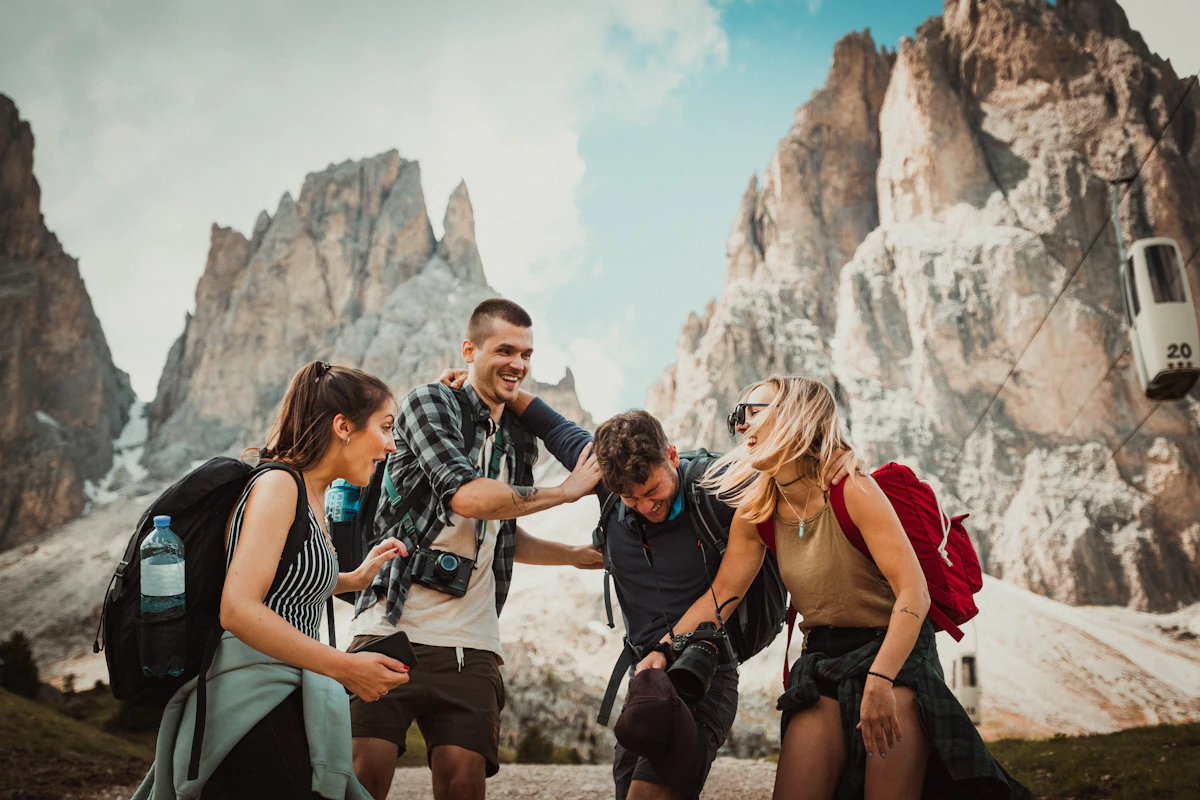
Traveling on a budget isn't about sacrificing the experience; it's about connecting with the local soul.
Let's address the elephant in the room immediately: Is it actually possible to travel the United States on just $50 a day? The short answer is yes. The honest answer is that it requires a radical shift in how you think about travel.
If your dream vacation involves staying in mid-range hotels, dining out at sit-down restaurants three times a day, and booking spontaneous flights between major coastal cities, a $50 daily budget will disappear before your morning coffee cools. The USA is a massive, highly developed, and notoriously expensive destination.
However, if you are willing to slow down, embrace the local lifestyle, camp under the stars, cook your own meals, and utilize smart sharing-economy hacks, you can absolutely have the adventure of a lifetime. In this ultimate guide, we pull back the curtain on how to travel the USA on $50 a day without feeling like you are constantly struggling.
The $50 Daily Budget Blueprint: The Golden Ratio
To make a $50 daily budget work, you must categorize your spending. We call this the **"Golden Ratio of Budget Travel."** In an average day, your expenses should follow this general framework:
- Accommodation ($0 to $25): This is your single biggest hurdle. To stay under budget, you must rely on free or heavily discounted sleeping arrangements several nights a week.
- Food & Drink ($15 to $20): This involves buying groceries, utilizing smart fast-food app coupons, and occasionally treating yourself to local street food.
- Transportation & Activities ($10 to $15): This covers regional bus tickets, shared fuel costs, and enjoying free public attractions like state parks or free museums.
Standard Costs vs. Smart Budget Hacks
To help you visualize how a budget traveler operates differently than a traditional tourist, we compared standard pricing to smart cost-saving hacks:
| Expense Category | Typical Tourist Way | The $50/Day Hack Way | Average Daily Cost |
|---|---|---|---|
| Lodging | 3-Star Hotel / Private Airbnb ($120 - $200+) | Dispersed Camping, Couchsurfing, or Hostel Dorms | $0 - $35 |
| Transportation | Domestic Flights / Solo Car Rental ($60 - $120/day) | FlixBus, Megabus, or Carpooling with a group | $5 - $15 |
| Dining | Sit-down Diners & Restaurants ($45 - $80/day) | Grocery Store meal-prepping & Too Good To Go deals | $12 - $18 |
| Entertainment | Guided Tours / Amusement Parks ($80 - $150+) | Free Museums, Hiking Trails, and Free Walking Tours | $0 - $10 |
1. Sleeping for Cheap or Free: Cracking the Accommodation Code
If you pay full price for accommodation every night, you will fail to maintain your budget. Finding smart ways to keep lodging costs at or near zero dollars is the most vital step of your planning process.
Free Dispersed Camping on Public Lands
Did you know that you can legally camp for 100% free across millions of acres of land in the United States? The **Bureau of Land Management (BLM)** and the **U.S. Forest Service (USFS)** manage vast territories—primarily in the Western United States—where "dispersed camping" is permitted.
You can pull your car or pitch your tent in designated areas for up to 14 days completely free of charge. You won't find running water or luxury toilets, but you will experience pristine wilderness, spectacular sunsets, and unforgettable night skies. Use free apps like iOverlander or The Dyrt to locate these free spots safely.
Couchsurfing & Hospitality Exchanges
If you want to experience cities rather than wilderness, **Couchsurfing** and **BeWelcome** are incredible tools. These online platforms connect travelers with generous locals who offer a spare couch or guest bed for free. This is not just a free place to sleep; it is an incredible cultural exchange. Your host can share invaluable local tips, showing you hidden neighborhoods and cheap eateries you would never find on your own.
Hostels in 2026: Evolving and Affordable
When you must stay in a major city and cannot find a Couchsurfing host, look for hostel dorms. While major cities like New York and Boston can feature high rates ($100+ during summer peak season), hostels in mid-tier cities like Chicago, Austin, and New Orleans usually offer shared dorm beds for **$30 to $60 per night**.
Look for hostels affiliated with **Hostelling International (HI) USA**, as they prioritize community-first environments, free breakfast options, and clean shared kitchens.
"By choosing free public land camping and local hospitality exchanges over cold hotel rooms, you don’t just save hundreds of dollars—you actively weave yourself into the authentic fabric of America."
2. Moving Across a Massive Continent: Transportation Hacks
The United States covers an immense geographical area, and public transportation inside many regions can be limited. To travel thousands of miles on a shoestring budget, you must master the art of transit hacking.
The regional Bus Network (FlixBus & Megabus)
Forget domestic flying or expensive train tickets. If you need to move between major metropolitan areas, budget buses like **FlixBus** and **Megabus** are your best friends. If you book your tickets 3 to 6 weeks in advance, you can secure fares between cities like Boston and New York, or Los Angeles and Las Vegas, for as little as $5 to $15!
The Magic of Group Carpooling
If you decide to rent a car or buy a cheap used vehicle for a classic American road trip, never travel alone. Fuel will be one of your largest recurring expenses.
Traveling with a group of three or four people (commonly called the "Lucky Three") lets you split the cost of gasoline, campsite fees, and vehicle rental fees. What would cost a solo traveler $60 a day in fuel and vehicle costs drops to an easily manageable $20 per person!
3. Eating Like a King on a Shoestring Budget
Eating out at traditional American diners and restaurants is a quick way to drain your wallet due to high menu prices and standard 15% to 20% tipping expectations. To maintain a strict $50 daily budget, you must shift your focus toward grocery planning and culinary life hacks.
My Cheap Grocery Meal Checklist
Before starting your journey, purchase a cheap, insulated cooler bag at Walmart. Stop by budget supermarkets like **Aldi**, **Lidl**, or **Walmart** to stock up on these high-calorie, budget-friendly items:
- Whole Wheat Bread & Peanut Butter: A classic, protein-rich American staple that requires no cooking and lasts for weeks on the road.
- Oatmeal & Bananas: The ultimate breakfast choice. A large container of dry oats costs under $3 and provides breakfast for over a week.
- Canned Tuna & Chickpeas: Packaged protein options that you can easily toss into salads or eat with crackers on a hike.
- Rotisserie Chickens: Most large grocery stores sell fully cooked, hot rotisserie chickens for roughly $6 to $8. Combined with a bag of cheap tortillas and spinach, this can easily provide three filling meals for under $10!
The "Too Good To Go" App Hack
If you are exploring major cities, download **Too Good To Go**. This brilliant app connects hungry budget travelers with local bakeries, cafes, and grocery stores that have surplus food at the end of the day. You can purchase a "Surprise Bag" of fresh pastries, sushi, bagels, or full meals for roughly $4 to $6—saving up to 70% off standard menu prices while reducing food waste!
4. Sightseeing for Free: Exploring America’s Best Features
You do not need to spend fortune to enjoy the best cultural and natural wonders of the United States. In fact, many of the country's most legendary experiences cost absolutely nothing.
Free World-Class Museums
Many major cities offer incredible cultural institutions completely free of charge. In Washington D.C., all 17 **Smithsonian Museums**—including the National Air and Space Museum and the National Museum of Natural History—have free admission daily. Similarly, the world-famous Saint Louis Art Museum, Cleveland Museum of Art, and Chicago's Lincoln Park Zoo do not charge a single dime for entry.
National Park Pass Strategies for 2026
If you plan to explore the stunning wilderness of the United States, buying individual entry tickets for each national park is highly inefficient.
- U.S. Residents: Buy the **America the Beautiful Pass** for $80. It covers entry to all national parks and federal recreation sites for a full year. If you visit just three national parks, this pass pays for itself!
- International Travelers: Be aware of the updated 2026 rule. The international visitor pass is $250. Without it, you will face an extra $100 per-person surcharge at highly visited parks. Make sure to purchase the annual pass at your very first park stop to avoid these extra fees.
The Great Outdoors Budget Itinerary (Southwest Camping)
To show you how simple it is to put these budget tips into practice, we designed a sample 7-day budget itinerary focusing on the stunning landscapes of Utah and Arizona. This route maximizes free camping and grocery-based meal prepping:
- Day 1 (Las Vegas Arrival): Pick up your rental car, visit a local Walmart to stock up on cheap food, groceries, and a cheap cooler. Drive 2.5 hours to the free BLM camping lands located just outside Zion National Park. (Cost: $25)
- Day 2 (Zion National Park): Rise at dawn. Enter Zion using your national park pass. Hike the world-famous Canyon Overlook Trail. Eat a pre-packed peanut butter sandwich for lunch. Return to your free BLM campsite for campfire cooking. (Cost: $8)
- Day 3 (Zion to Bryce Canyon): Drive 1.5 hours to Bryce Canyon National Park. Explore the majestic hoodoos. Drive to the nearby Dixie National Forest for another night of spectacular free dispersed camping. (Cost: $15 for fuel & food)
- Day 4 (Bryce Canyon to Page, Arizona): Head south to Page. View the famous Horseshoe Bend over the Colorado River (parking is $10). Sleep at a cheap, nearby established campground with warm showers ($20). (Cost: $42)
- Day 5 (Grand Canyon North Rim): Drive to the quieter, cooler North Rim of the Grand Canyon. Spend your day taking in the monumental views. Find free dispersed camping inside the Kaibab National Forest just outside the park gates. (Cost: $12 for food)
- Day 6 (Return to Las Vegas): Drive back to Las Vegas. Check into a budget hostel downtown ($35). Treat yourself to a cheap slice of New York-style pizza ($5) and walk the iconic Fremont Street to enjoy free, vibrant live music and light shows. (Cost: $52)
- Day 7 (Departure): Return your rental car, pack your bags, and head to the airport. (Cost: $10)
Average Daily Spend: $22.00 per person (assuming you split car and fuel costs with one travel partner!). This leaves you with plenty of breathing room for emergency expenses.
Crucial Hidden Costs: Medical Care & Tipping
When traveling the USA on a shoestring budget, you must prepare for hidden financial realities. The two biggest financial traps for budget travelers are healthcare and tipping culture.
Medical treatment in the United States is arguably the most expensive in the world. A simple trip to the emergency room for a sprained ankle or minor infection can easily cost thousands of dollars. Never try to save money by skipping travel health insurance. Buy a comprehensive, budget-friendly nomad insurance policy (like SafetyWing or World Nomads) before you land.
Navigating the Complexities of Tipping
In the USA, restaurant waitstaff rely heavily on tips to make a living wage. When dining at a sit-down restaurant, tipping 15% to 20% of your total bill is expected.
To completely bypass this added expense without being rude, stick to counter-service places, grocery store salad bars, and local food trucks. Tipping is not expected or required when you purchase groceries, grab fast food at a drive-thru window, or pick up take-out food to eat in a park.
Final Thoughts: Collecting Stories, Not Possessions
Traveling the United States on $50 a day requires patience, creativity, and a willingness to step outside your comfort zone. However, the rewards are unmatched. You will trade generic tourist crowds for authentic local encounters, crowded resort pools for quiet mountain lakes, and commercial tours for genuine local hospitality.
The open road is calling. Slow down, prepare your maps, pack your camping gear, and start your epic budget journey across America today!
Official Planning References & Sources:
- For finding legal BLM and forest camping regulations across the country, check the U.S. Bureau of Land Management (BLM) Official Website.
- To find official hostels and clean community-based dorms in the USA, visit Hostelling International USA (HI USA).
- For details on national park passes, visitor safety, and campground booking, visit the National Park Service (NPS) Portal.
- To learn about free cultural attractions, events, and museums in Washington D.C., check the Smithsonian Institution Official Site.



0 Comments