
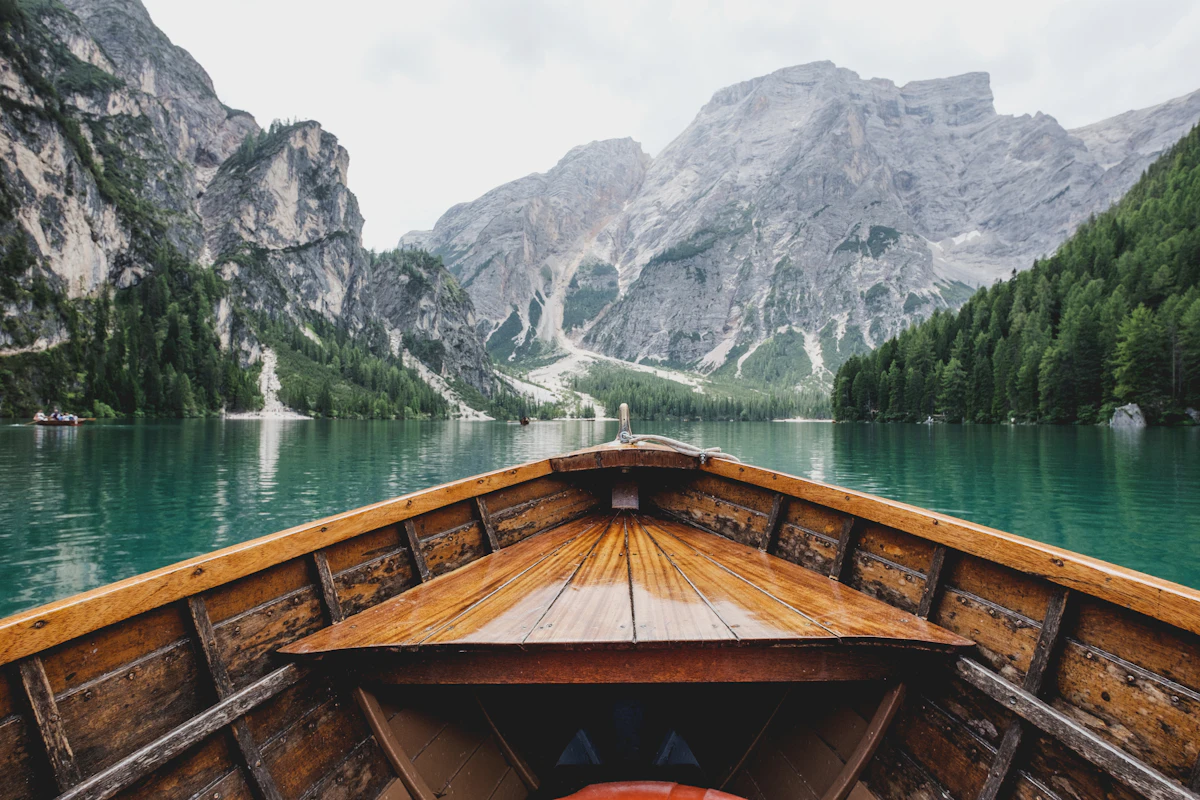
The endless open road winding through the misty evergreen forests of the Pacific Northwest.
Picture this: the windows are down, the crisp Pacific breeze carries the scent of damp pine needles, and ahead of you lies a ribbon of asphalt cutting through some of the most dramatic landscapes on Earth. If this sounds like your kind of escape, you are in the right place.
Embarking on a National Parks West Coast road trip is a bucket-list rite of passage [1]. It is a journey that carries you from the moss-draped canopy of ancient temperate rainforests to the sun-baked, surreal expanses of Mojave desert valleys [1]. Instead of rushing from one flight terminal to another, hitting the open highway lets you experience the gradual, awe-inspiring shifts in geography at your own pace.
In this comprehensive guide, we will walk you through the ultimate route, dive deep into seven spectacular national parks, and share essential planning updates—including crucial 2026 pricing and reservation shifts. Let’s dive in!
The Ultimate Coast-to-Canyon Route: Overview
While you can slice and dice the West Coast in dozens of ways, our recommended itinerary spans from the emerald crown of Washington State, winds down through the rugged wilderness of Oregon, and finishes in the dramatic diverse landscapes of California. This route delivers the ultimate balance of coastal air, alpine peaks, towering forests, and desert silence.
Route Comparison Table
To help you visualize your journey, here is a quick overview of the key parks on this road trip, their primary highlights, and typical summer daytime temperatures.
| National Park | State | Signature Feature | Best Visit Window | Avg Summer Temp |
|---|---|---|---|---|
| Olympic | Washington | Hoh Rain Forest & Coast | July - September | 65°F - 75°F |
| Mount Rainier | Washington | Active Glaciated Volcano | July - August | 60°F - 70°F |
| Crater Lake | Oregon | Deepest US Lake (Volcanic) | July - September | 65°F - 80°F |
| Redwood | California | Tallest Trees on Earth | June - September | 60°F - 68°F |
| Yosemite | California | Granite Cliffs & Waterfalls | May - September | 75°F - 90°F |
| Sequoia | California | Giant Trees (Sherman) | June - August | 70°F - 85°F |
| Joshua Tree | California | Surreal Joshua Trees & Rocks | October - April | 85°F - 105°F (Summer) |
Stop 1: Olympic National Park (Washington)
We begin our adventure in northern Washington. Olympic National Park is unique because it is actually three distinct ecosystems rolled into one park [1]. You can hike through a mossy, primeval rainforest in the morning, comb rugged rocky beaches in the afternoon, and stand on sub-alpine mountain ridges by sunset.
Key Highlights Not to Miss:
- The Hoh Rain Forest: Walk the brief but stunning Hall of Mosses trail. The hanging club moss draping from ancient bigleaf maples will make you feel like you stepped onto a prehistoric movie set.
- Ruby Beach: Named for its reddish sand crystals, this dramatic shoreline features gigantic sea stacks and piles of weathered ocean driftwood.
- Hurricane Ridge: Drive up to the high country for sweeping panoramic views of the glacier-capped Olympic Mountains.
Stop 2: Mount Rainier National Park (Washington)
Heading south, the massive silhouette of Mount Rainier begins to dominate the horizon. Standing at 14,411 feet, this active glaciated volcano isn't just a mountain; it is an icon of the Pacific Northwest. In the late summer, the meadows surrounding the peak burst into an absolute kaleidoscope of colorful alpine wildflowers.
Top Activities:
- Hike the Skyline Trail: Starting at the Paradise visitor area, this moderately challenging loop offers up-close views of massive glaciers and rushing meltwater waterfalls. Keep an eye out for whistling marmots along the trail!
- Visit Grove of the Patriarchs: Walk a short, suspension-bridge trail to witness massive, thousand-year-old Western Red Cedars and Douglas Firs.
"The mountain is out!" This is the local phrase you will hear whenever the Pacific Northwest fog clears to reveal the towering, glacier-carved face of Mount Rainier.
Stop 3: Crater Lake National Park (Oregon)
Cross the state border into Oregon and ascend the Cascade Mountains to find Crater Lake. Formed roughly 7,700 years ago when a massive volcano named Mount Mazama collapsed, this pristine caldera contains the deepest lake in the United States.
Because there are no incoming streams or rivers feeding the lake, the water remains incredibly pure and boasts an intense, almost impossibly deep-blue hue that photos simply cannot do justice.
Top Road Trip Experiences:
- Drive the Rim Drive: This scenic 33-mile loop wraps around the caldera edge, offering dozens of overlooks and scenic vistas.
- Hike Cleetwood Cove: This is the only legal trail that takes you down to the water’s edge. It is steep (around 700 feet of elevation drop), but the chance to dip your toes in the chilly, crystalline water is worth every step back up.
Stop 4: Redwood National and State Parks (California)
Leaving Crater Lake, head southwest toward the rugged Northern California coastline to enter the realm of giants [1]. Redwood National and State Parks protect the tallest living trees on Earth [1]. Walking through these damp, foggy groves is a deeply humbling and peaceful experience that silences even the busiest minds.
Unmissable Groves:
- Howland Hill Road: A narrow, unpaved road winding directly between massive redwoods. It offers an intimate, slow-paced driving experience.
- Fern Canyon: A breathtaking, narrow canyon where the vertical walls are completely draped in lush ferns. It is so otherworldly that Steven Spielberg chose it as a filming location for The Lost World: Jurassic Park.
Stop 5: Yosemite National Park (California)
No National Parks West Coast road trip is complete without visiting Yosemite, a crown jewel of the Sierra Nevada mountains [1]. Renowned for its towering granite monoliths like El Capitan and Half Dome, as well as cascading waterfalls, Yosemite is a masterpiece of natural architecture.
The National Park Service has officially announced that no timed-entry vehicle reservations are required to enter Yosemite in 2026. While this makes spontaneous trips much easier, it also means summer and weekend crowds are reaching record highs.
To avoid getting stuck in massive traffic jams or being turned away at full parking lots, you should arrive before 7:00 AM or after 4:00 PM, or consider planning your visit on weekdays.
Top Yosemite Hikes & Views:
- Tunnel View: Pull over right after emerging from the Wawona Tunnel for the classic, jaw-dropping panoramic frame of El Capitan, Half Dome, and Bridalveil Fall.
- The Mist Trail: Hike up to Vernal and Nevada Falls. In late spring and early summer, the spray from the falls is so powerful you will likely get completely soaked (bring a lightweight rain jacket!).
Stop 6: Sequoia and Kings Canyon National Parks (California)
Just a few hours south of Yosemite lies Sequoia National Park. While Redwoods win the prize for height, the Giant Sequoias win for sheer mass and volume. Walking among these massive cinnamon-colored trunks feels like walking through a temple of giants.
Top Highlights:
- The General Sherman Tree: By volume, this is the largest living tree on Earth. Standing next to its base is a truly humbling perspective-check.
- Moro Rock: Climb the 350 stone steps carved directly into this massive granite dome for spectacular, uninterrupted views of the Great Western Divide.
Stop 7: Joshua Tree National Park (California)
We conclude our epic journey in the arid deserts of Southern California [1]. Where the high Mojave Desert meets the lower Colorado Desert, you will find Joshua Tree National Park [1]. Known for its bizarrely shaped Yucca trees (Joshua Trees) and gigantic, rounded granite boulder piles, it has a mystical, artistic, and deeply peaceful energy.
Top Activities:
- Cholla Cactus Garden: Walk the brief, flat loop through a dense grove of glowing "teddy bear" cholla cacti. (Watch your step—they are sharp!).
- Stargazing at Night: Thanks to its distance from major coastal cities, Joshua Tree is an International Dark Sky Park. Lay a blanket out on a warm granite boulder and watch the Milky Way drift across the clear night sky.
Essential Budgeting & Pass Changes for 2026
Before starting your engines, you need to understand the payment structure for national park fees, which underwent a major modernization update heading into 2026.
- U.S. Citizens & Permanent Residents: The standard annual pass remains $80. It covers entry for one vehicle at all federal recreation sites.
- International Visitors (Non-Residents): A new policy requires a $250 non-resident annual pass. If you do not buy this pass, you must pay a $100 per-person surcharge to enter 11 highly visited parks (including Yosemite, Sequoia, and Bryce Canyon) in addition to the standard weekly vehicle entry fee! If you plan to visit three or more parks as an international traveler, buying the $250 pass will easily save you money.
Estimated Road Trip Cost Breakdown (Realistic Estimates)
To help you budget accurately, here is a breakdown of realistic costs for a typical 14-day West Coast parks road trip for two people:
| Expense Category | Estimated Cost (USD) | Cost-Saving Tip |
|---|---|---|
| Park Entrance Fees | $80 - $250 | Buy the annual "America the Beautiful" pass. |
| Fuel / Gas | $450 - $600 | Use gas-tracker apps; fuel up before entering remote mountain regions. |
| Accommodation | $700 - $2,500 | Mix camping inside the parks ($20-30/night) with budget motels outside. |
| Food & Supplies | $400 - $800 | Buy a cheap cooler and stock up on groceries at supermarkets in large cities. |
Smart Packing List for Your Journey
Because this road trip takes you through wildly different climates—from wet rainforests to scorching deserts—you must pack smartly. Here are the non-negotiable items you should bring:
- Layered Clothing: Pack synthetic base layers, a warm fleece, and a reliable waterproof outer shell. Temperatures can easily drop 30 degrees when ascending mountains.
- Broken-In Hiking Boots: Do not break in brand-new boots on this trip. Blisters can ruin a scenic hike.
- A Sturdy Reusable Water Bottle/Reservoir: Staying hydrated in high-elevation parks and dry deserts is absolutely critical.
- Offline Navigation & Physical Maps: Cell service is notoriously spotty or completely nonexistent in deep valleys and high alpine zones. Download offline maps via Google Maps or AllTrails before you go.
Keeping the Wild Beautiful: Leave No Trace
As visitors, it is our responsibility to protect these fragile environments so that future generations can enjoy them just as we do. Always practice the core Leave No Trace principles:
- Pack it in, pack it out: Dispose of your trash properly. Never leave food scraps behind, as they attract wildlife and disrupt their natural diets.
- Respect Wildlife: Keep a safe, legal distance from animals. Never feed them, no matter how friendly they seem.
- Stay on the Designated Trails: Walking off-trail destroys fragile meadows, mosses, and leads to soil erosion.
Final Thoughts: The Road is Calling
A National Parks West Coast road trip is more than just checking off destinations on a map [1]. It is about the early morning mist hanging over the giants, the quiet hum of tires on empty mountain highways, and the feeling of absolute freedom as you watch a desert sunset paint the sky [1].
Plan early, keep an eye on safety, prepare for variable weather, and let the road lead you to unforgettable memories. Safe travels!
Official Planning References:
- For current park alerts, maps, and safety guides, visit the U.S. National Park Service (NPS) Official Website.
- To review Yosemite's 2026 reservation policies, check the NPS Yosemite Entrance Reservations Page.
- To purchase digital or physical federal recreation passes, visit Recreation.gov.



0 Comments