
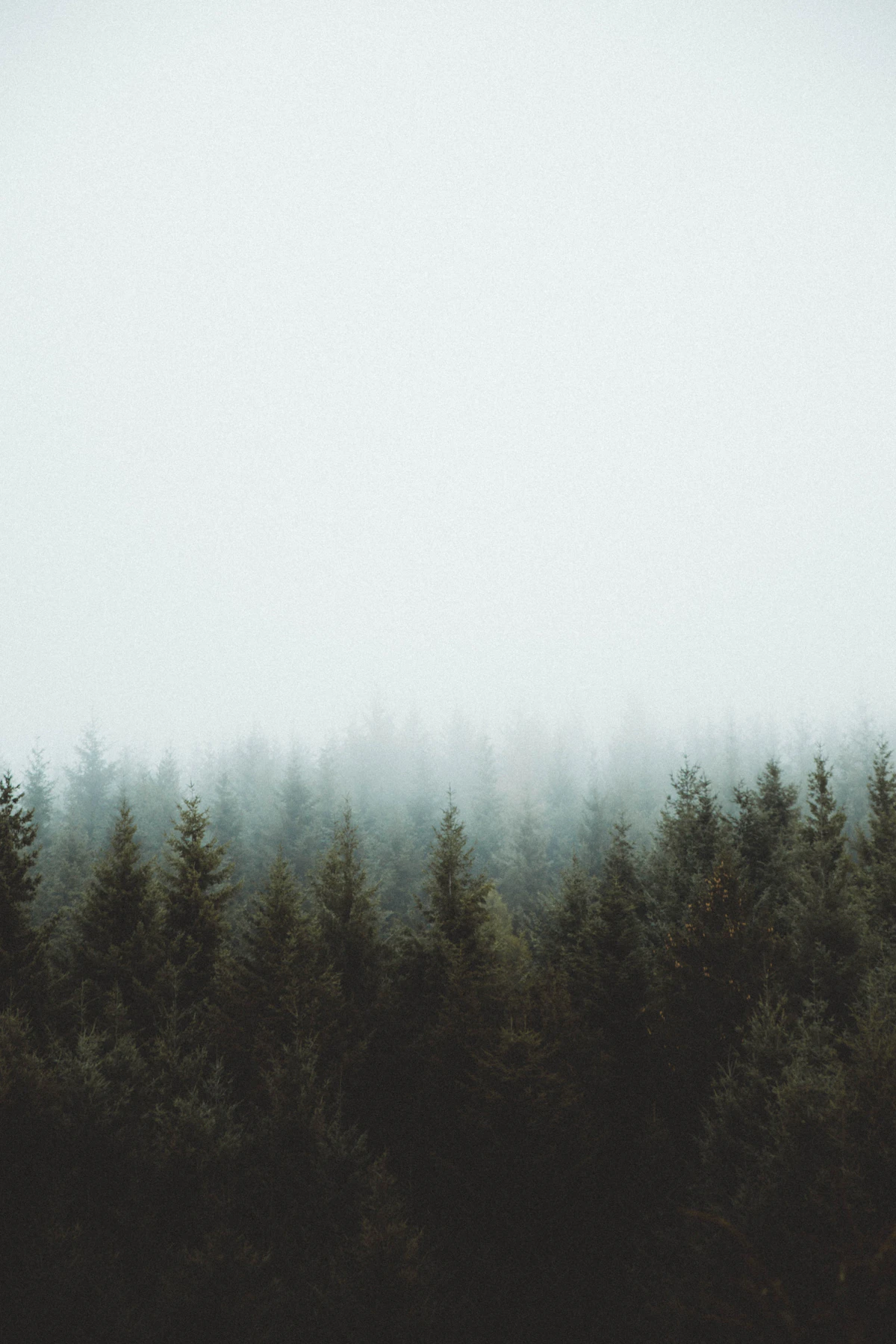
The breathtaking landscape of the Colorado Rocky Mountains, showcasing alpine lakes and rugged peaks.
Colorado is a destination defined by its soaring peaks, dramatic canyons, and diverse ecosystems. Positioned in the heart of the American West, the state features 58 "Fourteeners"—mountain peaks exceeding 14,000 feet in elevation—alongside vast alpine meadows, cascading rivers, and striking desert dunes. For travelers drawn to natural beauty, the Rocky Mountains provide a dynamic playground where geological wonders meet vibrant wildlife habitats.
Planning a trip to this elevated landscape requires an understanding of its distinct regions, high altitudes, and changing weather systems. From the famous reflections of Aspen's Maroon Bells to the sheer depth of the Black Canyon of the Gunnison, this guide profiles the premier natural destinations in Colorado. The following sections provide practical tips, essential seasonal information, and curated itineraries to help you plan an immersive journey into the wilderness.
1. Rocky Mountain National Park
As one of the most visited national parks in the United States, Rocky Mountain National Park (RMNP) encompasses over 265,000 acres of protected wilderness near Estes Park. The park features a dramatic split along the Continental Divide, creating distinct eastern and western ecosystems. Visitors can easily access high-alpine environments, dense subalpine forests, and tranquil wetland meadows home to roaming elk herds.
Key Activities and Viewpoints
- Trail Ridge Road: This highway climbs to 12,183 feet, making it the highest continuous paved highway in North America. Driving along this route provides sweeping panoramic views of the alpine tundra without requiring a strenuous hike.
- Bear Lake Corridor: Serving as the starting point for several popular hikes, this basin leads to iconic destinations such as Nymph, Dream, and Emerald Lakes. The short, 0.6-mile walk around Bear Lake itself is paved and accessible.
- Chasm Lake Trail: For experienced hikers seeking a challenge, this strenuous 8-mile round-trip trail climbs 2,400 vertical feet, culminating in a pristine alpine lake sitting directly beneath the sheer, 2,400-foot east face of Longs Peak.
2. The Maroon Bells-Snowmass Wilderness
Located just southwest of Aspen, the Maroon Bells are two prominent peaks in the Elk Mountains: Maroon Peak (14,163 feet) and North Maroon Peak (14,019 feet). Composed of mudstone that has weathered into a distinctive reddish-purple hue, these mountains stand as the most photographed peaks in North America. The pristine, glacial Maroon Lake sits quietly in the foreground, mirroring the dramatic contours of the twin summits.
The wilderness surrounding these peaks offers critical habitat for wildlife, including mountain goats, bighorn sheep, and black bears. In autumn, the dense groves of aspen trees surrounding the lake turn a brilliant shade of gold, drawing photographers and nature lovers from around the globe.
Hiking Trails and Access Rules
- Maroon Lake Scenic Trail: A gentle, 1-mile round-trip loop that follows the shoreline of the lake. This flat trail is ideal for families and casual walkers.
- Crater Lake Trail: A moderate, rocky 3.6-mile round-trip hike that ascends roughly 500 feet to Crater Lake. The lake bed is occasionally dry in late summer, but the trail offers a much closer look at the steep scree fields of the Maroon Bells.
"The stark contrast of dark red sedimentary peaks against golden aspen leaves makes the Maroon Bells-Snowmass Wilderness a defining landscape of the American West."
3. Great Sand Dunes National Park & Preserve
Situated in the high-altitude San Luis Valley, Great Sand Dunes National Park protects the tallest sand dunes in North America. Framed by the snow-capped Sangre de Cristo Mountains, these dunes rise up to 750 feet from the valley floor. The contrast between towering mountains, alpine forests, and a massive expanse of wind-swept sand creates a surreal and captivating natural environment.
This park is also celebrated as an International Dark Sky Park. The remote location and dry mountain air provide exceptional clarity for stargazing and astrophotography, particularly on clear, moonless nights during the summer months.
Unique Park Experiences
- Sandboarding and Sand Sledding: Visitors can rent specially designed wooden sleds and boards at retailers just outside the park entrance. Sliding down the steep slopes of the dunes is a popular activity for all ages.
- Medano Creek: During late spring and early summer, snowmelt from the mountains feeds Medano Creek, creating a wide, shallow waterway at the base of the dunes. The creek exhibits "surge flow," where waves of water pulse across the sand, mimicking an inland beach.
- Hiking Star Dune: Unlike typical mountain hiking, climbing the dunes involves navigating soft, shifting sands. Reaching the summit of Star Dune (750 feet) requires physical endurance and early morning departures to avoid high afternoon sand temperatures.
4. Garden of the Gods Park
Located on the western edge of Colorado Springs, Garden of the Gods is a designated National Natural Landmark featuring towering sandstone rock formations. Over millions of years, tectonic activity along the Rocky Mountain Front Range pushed horizontal sedimentary layers into vertical positions. The resulting orange, red, and pink stone spires now reach hundreds of feet into the sky, framed beautifully by Pikes Peak in the distance.
The park serves as an ecological transition zone where the grasslands of the Great Plains meet the pinon-juniper woodlands of the Rocky Mountain foothills. This mixture of habitats supports a diverse range of birds and mammals, including mule deer and red foxes.
Top Trails and Rock Formations
- Perkins Central Garden Trail: This 1.5-mile, fully paved loop winds through the heart of the tallest formations, including the Cathedral Spires and Sentinel Spires. The trail is flat and accessible for strollers and wheelchairs.
- Balanced Rock: Located on the western edge of the park, this massive 700-ton sandstone boulder stands precariously on a tiny, eroded base. It is easily accessible by car or trail.
- Siamese Twins Trail: A short, 1-mile round-trip trail leading to a unique rock window that frames a perfect view of Pikes Peak in the background.
5. The Rugged San Juan Mountains
Located in southwestern Colorado, the San Juan Mountains are widely considered the most rugged and visually striking range in the state. Often referred to as the "Switzerland of America," this region is rich in mining history and features alpine towns nestled in dramatic valleys, such as Telluride, Ouray, and Silverton.
Unlike the gentle slopes found in other parts of the state, the San Juans are characterized by sharp, jagged peaks, dramatic waterfalls, and deep gorges. The high-altitude passes in this region are famous for wildflower displays in July and intense fall foliage in late September.
Sights of the San Juans
- The Million Dollar Highway: This stretch of U.S. Route 550 between Silverton and Ouray clings to the cliffs of the Uncompahgre Gorge. It is famous for its lack of guardrails, steep drops, and dramatic mountain views.
- Telluride Box Canyon & Bridal Veil Falls: Telluride is surrounded on three sides by near-vertical cliffs. At the end of the canyon stands Bridal Veil Falls, the tallest free-falling waterfall in Colorado at 365 feet.
- Ouray Hot Springs: After exploring the rugged mountain trails, visitors can relax in the sulfur-free natural hot springs pools located right in the center of town.
6. Black Canyon of the Gunnison National Park
While Colorado is famous for its high peaks, it also features one of the most dramatic canyons in North America. The Black Canyon of the Gunnison, located near Montrose, is a deep, narrow gorge carved over two million years by the Gunnison River. The canyon walls are so steep and narrow that some sections of the gorge receive only 33 minutes of sunlight each day, giving the park its dark and dramatic name.
The canyon walls consist of dark Precambrian rock, striped with lighter-colored pegmatite dikes that look like giant paint strokes. This park is ideal for those seeking solitude, as it receives fewer visitors than Colorado's other national parks.
Exploring the South and North Rims
- The South Rim Drive: This 7-mile paved road features 12 designated overlooks, including the Painted Wall, which rises 2,250 feet from the river to the rim, making it the highest cliff face in Colorado.
- Oak Flat Loop Trail: A moderate, 2-mile loop trail that descends slightly below the canyon rim, allowing hikers to experience the sheer scale of the vertical canyon walls without making the extremely strenuous trek to the river.
7. Hanging Lake
Suspended on the cliffs of Glenwood Canyon near Glenwood Springs, Hanging Lake is a geological wonder. The lake is a rare example of a travertine geological formation, where dissolved limestone has deposited on the edges of the lake over thousands of years to create natural travertine barriers. The water is incredibly clear, reflecting turquoise and deep green hues, fed by gentle waterfalls cascading over mossy rock walls.
Due to the fragile nature of the lake's ecosystem, strict protection measures are in place. The lake's shoreline and water are home to delicate micro-ecosystems that are easily damaged by human contact.
Destination Comparison & Practical Details
To help you decide which locations to include on your Colorado itinerary, the table below provides a side-by-side comparison of elevations, entry fees, and the best times of year to visit each destination.
| Destination | Peak Elevation | Key Vibe & Attraction | Best Season | Entry Fee / Permit |
|---|---|---|---|---|
| Rocky Mountain National Park | 12,183 ft (Trail Ridge Rd) | Alpine lakes, tundras, & elk watching | June to September | $30/vehicle + Timed Entry Permit |
| Maroon Bells | 14,163 ft (Maroon Peak) | Scenic reflections & golden autumn trees | September to October | Shuttle reservation required ($16/person) |
| Great Sand Dunes | 750 ft (Dune height) | Sandboarding, spring creeks, & stargazing | May to June / September | $25/vehicle |
| Garden of the Gods | ~6,400 ft | Red sandstone spires & paved paths | Year-round | Free admission |
| San Juan Mountains | 14,309 ft (Uncompahgre Peak) | Scenic drives, wild mining towns, & waterfalls | July to September | Free (Fees apply for some state parks) |
| Black Canyon | 2,250 ft (Canyon depth) | Dramatic steep gorges & rock walls | May to October | $30/vehicle |
| Hanging Lake | 7,000 ft | Turquoise travertine water & canyon hike | May to September | Hiking Permit ($10-$12/person) |
Essential Preparation & Mountain Safety
Exploring Colorado's backcountry involves adapting to natural forces that can challenge unprepared visitors. Keeping the following key safety practices in mind will ensure a comfortable and secure journey:
Acclimatization and Altitude Sickness
Many of Colorado's top natural sights sit well above 8,000 feet, where the air pressure is lower and oxygen molecules are more spread out. Altitude sickness can affect anyone, regardless of fitness level. Symptoms include headaches, dizziness, fatigue, and mild nausea.
- Stay Hydrated: Drink twice as much water as you would at sea level. The mountain air is exceptionally dry, which accelerates dehydration.
- Acclimate Gradually: If you are flying in from sea level, spend a night or two in Denver (~5,280 feet) or Colorado Springs (~6,000 feet) before ascending to high-altitude destinations like Rocky Mountain National Park or the San Juan Mountains.
- Limit Alcohol and Caffeine: Both substances can accelerate dehydration and exacerbate the symptoms of altitude sickness during your first few days.
Afternoon Thunderstorms
During summer, a weather pattern known as the North American Monsoon frequently develops over the Rocky Mountains. This leads to rapid storm formation in the early afternoon, presenting a major hazard for those hiking above the tree line (the elevation where trees stop growing, typically around 11,500 feet in Colorado).
- The "Noon Rule": Plan your hikes so that you are descending back below the tree line by noon. Lightning strikes are a very real danger on open, exposed mountain ridges.
- Monitor the Skies: Watch for building cumulus clouds that look like tall, fluffy towers. If you hear thunder or feel your hair stand on end, immediately seek shelter in a hard-topped vehicle or deep within a forest.
Respecting Wildlife
Colorado's mountains and forests are home to active wildlife populations, including elk, bighorn sheep, black bears, mountain lions, and moose. Moose are particularly territorial and can become highly aggressive if approached.
- Maintain Your Distance: Use the "rule of thumb" to gauge safe distance: extend your arm, hold up your thumb, and try to cover the animal. If you can't cover it entirely with your thumb, you are standing too close.
- Practice Bear Safety: Black bears inhabit most of Colorado's forested regions. Store food, trash, and scented items in bear-proof lockers or canisters, and never leave food inside your vehicle overnight in active bear territory.
Summary
Colorado's diverse landscapes offer a rich range of outdoor experiences, from the sand dunes of the San Luis Valley to the jagged peaks of the San Juan Mountains. Whether you are walking along the paved trails of Garden of the Gods or taking a challenging hike in Rocky Mountain National Park, each destination offers a unique window into the natural forces that shape the American West. By planning your trip with altitude, weather, and local guidelines in mind, you can enjoy a safe, rewarding, and memorable journey through Colorado's wild spaces.
Information Sources:
- Official National Park Service Website (RMNP, Great Sand Dunes, Black Canyon of the Gunnison): nps.gov
- United States Forest Service (Maroon Bells-Snowmass, Hanging Lake): fs.usda.gov
- Colorado Tourism Official Website: colorado.com



0 Comments