
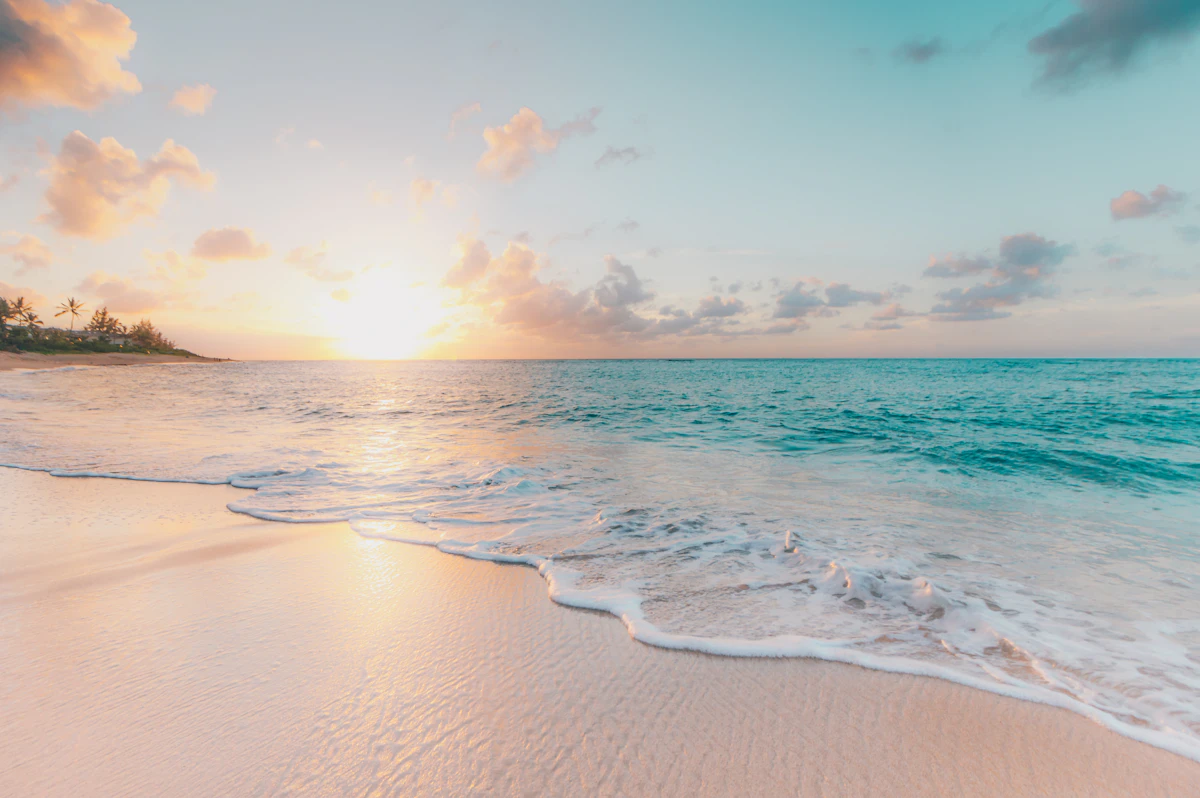
A peaceful, golden-sand beach in the Hawaiian archipelago, perfect for a tropical getaway.
Hawaii Travel Guide: Best Islands to Visit (2026 Insider Edition)
Close your eyes and picture the ultimate tropical paradise. You probably see dramatic emerald cliffs plunging into a deep blue ocean, golden beaches lined with gently swaying palm trees, and the warm, sweet scent of plumeria carrying on a gentle breeze. This is Hawaii—a pristine archipelago in the middle of the Pacific Ocean that has captured the imagination of travelers for generations.
The word "Aloha" is famous worldwide, but it is far more than just a warm greeting. It represents a way of life rooted in love, respect, and a deep connection to the natural world. When you plan a trip here, however, you will quickly realize that you cannot simply "visit Hawaii" as a single, uniform destination. The state consists of six major visitable islands, and each one features a completely distinct personality, landscape, microclimate, and pace of life.
Choosing the wrong island can lead to a very different vacation than the one you imagined. A hiker looking for rugged wilderness might find the bustling shopping streets of Waikiki overwhelming, while a family seeking convenient beach resorts might find the quiet solitude of Kauai too sleepy. This comprehensive guide breaks down the unique character of each major Hawaiian island, highlights the top activities, offers realistic budget expectations, and shares critical local insights to help you choose your ideal island destination.
"He aliʻi ka ʻāina; he kauwā ke kanaka. (The land is a chief; man is its servant.) This ancient Hawaiian proverb reminds us that we do not merely visit these islands to consume their beauty, but to respect, care for, and live in harmony with the land."
At a Glance: Quick Hawaiian Island Comparison
To give you an immediate overview of how the islands differ, we have summarized the core traits of the main destinations below. This matrix helps you compare vibes, travel styles, average daily costs, and recommended stay lengths at a single glance.
| Island Name | Best For | The Vibe | Est. Daily Budget (Mid-Range) | Suggested Stay |
|---|---|---|---|---|
| Oʻahu | First-timers, foodies, history, nightlife | Energetic city life meets surf culture | $250 – $400 USD | 4 to 6 Days |
| Maui | Couples, luxury, road trips, beaches | Romantic, resort-focused, stunning coastlines | $350 – $600 USD | 5 to 7 Days |
| Kauaʻi | Hikers, nature purists, quiet escapes | Untamed, lush, slow-paced, rustic | $300 – $480 USD | 4 to 6 Days |
| Big Island | Volcanoes, active adventures, road trips | Raw, massive, diverse microclimates | $280 – $450 USD | 5 to 8 Days |
| Lānaʻi | Seclusion, high luxury, golf | Exclusive, quiet, remote, private feel | $650+ USD | 2 to 3 Days |
| Molokaʻi | Cultural immersion, off-the-grid travel | Unspoiled, traditional, highly local | $200 – $320 USD | 2 to 3 Days |
1. Oʻahu: The Vibrant Heart of Hawaiʻi
Oʻahu acts as the nervous system of the state. It is home to roughly 70% of Hawaii’s population and is the main gateway for international travelers. If you want a dynamic mix of metropolitan convenience and jaw-dropping tropical landscapes, Oʻahu delivers beautifully.
The Vibe
Oʻahu is an island of contrasts. In Honolulu, you will find modern skyscrapers, world-class shopping malls, a legendary culinary scene, and high-energy nightlife. Yet, if you drive just 45 minutes north or east, the high-rises vanish, replaced by quiet coastal highways, massive ironwood trees, and sleepy beach towns where surfboards outnumber cars.
Key Highlights & Must-Do Activities
- Waikīkī Beach: The historic birthplace of modern surfing. Rent a longboard, take a lesson from a beachboy, or simply sip a tropical drink as the sun sets behind Diamond Head.
- Pearl Harbor National Memorial: Pay your respects at the USS Arizona Memorial, a moving and educational historical experience that details the events of December 7, 1941.
- Diamond Head State Monument (Lēʻahi): A steep, rewarding hike up the interior walls of a historic volcanic crater. The summit views over the Honolulu skyline are breathtaking. (Note: Out-of-state visitors must make advance reservations online to hike Diamond Head.)
- The North Shore: During the winter months (November to February), watch professional surfers tackle monstrous 30-foot waves at Waimea Bay and Banzai Pipeline. In the summer, these beaches turn into calm, glass-like swimming pools.
- Lanikai Beach: Located on the windward coast, this soft white-sand beach features turquoise waters and overlooks the iconic twin islets known as "The Mokes" (Mokulua Islands).
Who is Oʻahu Best For?
First-time visitors who want to experience the legendary icons of Hawaii without sacrificing urban comforts. It is also excellent for food lovers, solo travelers, history enthusiasts, and those who prefer not to rent a car, as Oʻahu's public bus system ("TheBus") is highly efficient compared to other islands.
2. Maui: The Romantic Valley Isle
Maui is the second-largest island in the Hawaiian chain. It is widely considered the ultimate destination for couples, beach lovers, and luxury travelers who want to experience high-end resorts nestled against dramatic volcanic landscapes.
The Vibe
Maui strikes a brilliant balance. It feels significantly slower and more relaxing than Oʻahu, yet it offers plenty of excellent restaurants, boutique shops, and pristine infrastructure. It has a chic, stylish, and romantic atmosphere that makes it a global favorite for honeymooners.
Key Highlights & Must-Do Activities
- Haleakalā National Park: Wake up at 3:00 AM to ascend the 10,023-foot summit of this dormant volcano and watch the sunrise paint the clouds in brilliant shades of pink and orange. (Tip: You must book a sunrise reservation in advance. Bring a heavy winter coat, as temperatures at the summit can plunge below freezing before dawn!)
- The Road to Hāna: A legendary 52-mile driving route that twists past 600 curves and dozens of historic stone bridges. Along the way, you can stop at black-sand beaches, swim in refreshing freshwater pools, and buy fresh banana bread from roadside stalls.
- Molokini Crater Snorkeling: Board a catamaran to visit a semi-submerged volcanic caldera. The crystal-clear waters inside the crescent offer incredible underwater visibility and are home to colorful marine life.
- Whale Watching: If you visit between December and April, you can witness majestic humpback whales breaching and playing in the shallow waters of the Maui Nui Basin.
Who is Maui Best For?
Honeymooners, couples, beach lovers, and travelers who enjoy luxury resorts, scenic driving tours, and high-quality local dining. It is also fantastic for families who want safe, calm resort beaches like those found in Wailea and Kāʻanapali.
3. Kauaʻi: The Untamed Garden Isle
Kauaʻi is the oldest, most northerly island in the main chain. It is a dramatic paradise shaped by millions of years of rainfall and erosion, resulting in razor-sharp green mountain ridges, cascading waterfalls, and quiet coastal plains.
The Vibe
Kauaʻi feels slow, peaceful, and rustic. There are no high-rise hotels here, as local laws dictate that no building can stand taller than a mature coconut tree. The island goes to sleep early, and you will not find any nightlife or bustling city blocks. Instead, wild chickens roam free, local coffee shops serve as morning meeting grounds, and the natural landscape remains the main event.
Key Highlights & Must-Do Activities
- The Nāpali Coast: A 17-mile stretch of towering emerald cliffs that plunge directly into the ocean. Because there are no roads, you must experience the coast by taking a catamaran sunset cruise, booking a helicopter tour, or hiking the famous (and highly strenuous) Kalalau Trail.
- Waimea Canyon: Mark Twain famously called this natural wonder the "Grand Canyon of the Pacific." It offers deep red and green gorges, hiking trails, and breathtaking viewpoints.
- Hanalei Bay: A massive, crescent-shaped bay on the North Shore, set against a stunning backdrop of mist-shrouded green peaks and waterfalls.
- Wailua River Kayaking: Paddle down Hawaii's only navigable river and hike through lush tropical rainforests to reach Secret Falls (Uluwehi Falls).
Who is Kauaʻi Best For?
Hikers, backpackers, nature lovers, and couples seeking quiet seclusion and an authentic, rustic escape from the modern world. If you prefer five-star shopping and high-energy nightlife, Kauaʻi may feel too slow for your tastes.
4. Hawaiʻi Island (The Big Island): The Land of Fire and Ice
True to its name, the Big Island is massive—so large that all other Hawaiian islands could easily fit inside its borders. It is also the youngest island in the archipelago, meaning the landscape is raw, dramatic, and constantly being reshaped by active volcanic forces.
The Vibe
The Big Island features 4 out of the world’s 5 major climate zones, ranging from wet tropical rainforests to arid volcanic deserts, and even snow-capped peaks in winter. The atmosphere here is rustic, adventurous, and wildly diverse. It is an island built for road trips and active exploration.
Key Highlights & Must-Do Activities
- Hawaiʻi Volcanoes National Park: Walk through ancient underground lava tubes, view active steam vents, and look out over glowing volcanic craters at Kīlauea and Mauna Loa.
- Manta Ray Night Dive (Kona): Widely considered one of the best night dives in the world. Snorkelers and scuba divers float in the water while giant, gentle manta rays swoop within inches of them to feed on plankton.
- Mauna Kea Stargazing: Visit the visitor information station at 9,200 feet for some of the clearest night skies on Earth, or take a guided tour to the 13,796-foot summit to watch the sun sink below the cloud line.
- Punaluʻu Black Sand Beach: A striking, pitch-black basaltic sand beach where Hawaiian green sea turtles (honu) frequently haul themselves onto the sand to bask in the sun.
Who is the Big Island Best For?
Geology enthusiasts, active adventurers, families with older children, and road-trip lovers who do not mind spending several hours in the car to see incredible natural diversity.
5. Lānaʻi and Molokaʻi: Off-the-Beaten-Path Gems
For travelers who have already visited the main four islands, or those who want a deeply unconventional vacation, the smaller visitable islands of Lānaʻi and Molokaʻi offer fascinating experiences.
Lānaʻi: Hawaii's Luxury Isle
Lānaʻi is the smallest publicly accessible island, and it is largely privately owned. It features two ultra-exclusive Four Seasons resorts, championship golf courses, and quiet, uncrowded dirt roads. If you have a generous budget and want ultimate luxury, privacy, and rugged high-clearance 4WD exploring (like visiting the otherworldly Garden of the Gods), Lānaʻi is unmatched.
Molokaʻi: Authentic Hawaiian Culture
Molokaʻi is the complete opposite of a commercial tourist destination. There are no mega-resorts, traffic lights, or chain stores. Instead, the island is highly protective of its rich indigenous Hawaiian heritage. Visiting here requires deep cultural respect, a humble attitude, and a willingness to step back and observe. Highlights include the dramatic Kalaupapa Peninsula and hiking the lush, sacred Halawa Valley.
When is the Best Time to Visit Hawaii?
While Hawaii remains warm and beautiful year-round, understanding the local seasons can help you save money and enjoy the best possible weather on your trip.
- The Dry Season (Summer - May to October): Temperatures range from 80°F to 88°F (26°C to 31°C). Ocean waters are at their warmest, trade winds keep the air fresh, and rain showers are rare. This is the best time for swimming, snorkeling, and sunbathing.
- The Wet Season (Winter - November to April): Temperatures are slightly cooler, ranging from 72°F to 80°F (22°C to 26°C). Rainfall is more common, though it usually occurs in short, passing afternoon showers. Winter brings legendary ocean swells to north-facing shores, making it prime time for surf watching and whale watching.
- The Shoulder Seasons (April to May & September to October): These months offer the perfect sweet spot. The weather is gorgeous, flights and accommodations are generally cheaper, and the popular beaches are far less crowded.
Essential Hawaii Travel Rules & Smart Budgeting
To avoid unexpected expenses and travel smoothly, keep these key regulations and financial factors in mind for your trip:
- Understanding Accommodations Taxes: Hawaii’s Transient Accommodations Tax (TAT) is 11%. When you add local county surcharges and General Excise Tax (GET), you can expect to pay roughly 14% to 18% in total lodging taxes on top of your base hotel or vacation rental rate. Be sure to factor this into your overall budget!
- Reef-Safe Sunscreen Laws: To protect the state’s beautiful but vulnerable coral reefs, Hawaii strictly bans the sale of sunscreens containing oxybenzone and octinoxate. Make sure you only purchase and pack mineral-based sunscreens containing zinc oxide or titanium dioxide.
- Rental Car Booking: Public transit is highly limited on Maui, Kauaʻi, and the Big Island. Rental cars are in high demand, so booking your vehicle months in advance is critical to securing a reasonable rate.
- Mālama Hawaiʻi: This is a state-sponsored initiative encouraging travelers to give back to the islands. Consider taking a few hours out of your vacation to participate in a beach cleanup, plant native trees, or volunteer with a local cultural preservation group.
Frequently Asked Questions (FAQ)
Which Hawaiian island is best for first-time visitors?
For most first-timers, Oʻahu or Maui is the ideal choice. Oʻahu offers a fantastic mix of history, legendary sights like Pearl Harbor, and convenient infrastructure. Maui provides the quintessential "resort and beach holiday" with beautiful coastal drives.
Can I easily hop between islands during my trip?
Yes, but you will need to fly. There are no public passenger ferries operating between the major islands, with the sole exception of a small passenger ferry running between Maui and Lānaʻi. Commercial airlines like Hawaiian Airlines and Southwest offer short, frequent 30-to-40-minute flights between the islands.
How many days should I spend on each island?
To truly enjoy your time and avoid spending your entire vacation at airport gates, we recommend spending a minimum of 4 to 5 days per island. If you only have a week, it is highly advisable to choose just one island and explore it deeply.
Are there ways to travel to Hawaii on a budget?
While Hawaii is an expensive destination, you can save money by booking flights and cars early, eating at local food trucks and farmers' markets instead of upscale sit-down restaurants, shopping at local grocery stores, and focusing on free outdoor activities like hiking and visiting public beaches.
- State of Hawaiʻi Department of Land and Natural Resources (Official Rules & Permits)
- Hawaiʻi Tourism Authority (Safe Travels & Mālama Hawaiʻi Guidelines)
- National Park Service (Haleakalā & Hawaiʻi Volcanoes National Park Updates)



0 Comments