
California National Parks Road Trip Guide – The Ultimate Scenic Adventure Across Wild America
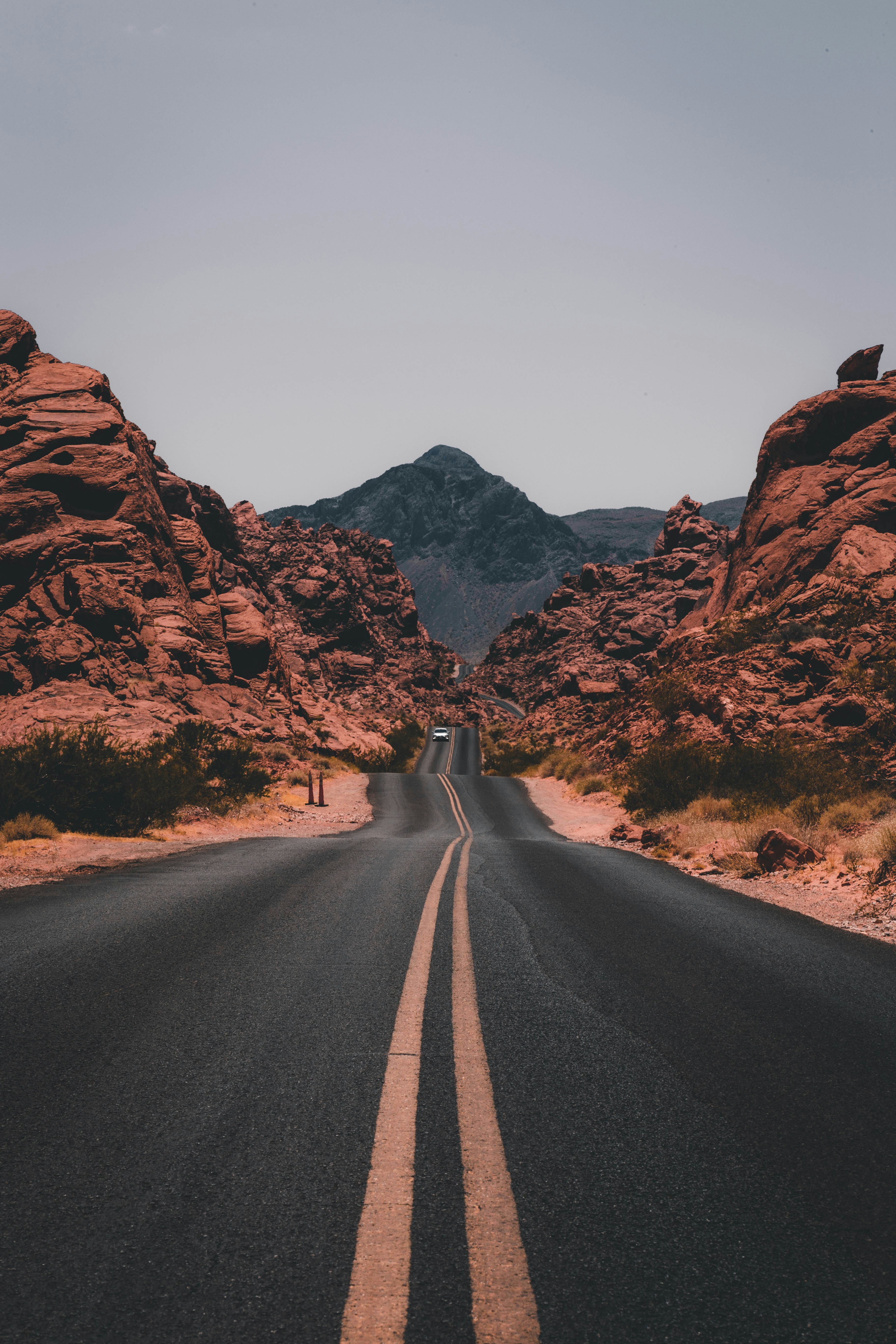
A road trip across California’s national parks is one of the most unforgettable travel experiences in the United States. From towering granite cliffs to vast desert landscapes and ancient forests, every stop feels like a completely different world. This guide is designed to help you plan a smooth, realistic, and enjoyable journey across the most iconic parks in California.
“Traveling through California’s national parks is not just a road trip—it is a journey through geological history, natural silence, and raw American wilderness.”
Why Choose a California National Parks Road Trip?
California offers one of the highest concentrations of national parks in the country. The advantage of a road trip is simple: flexibility. You can move at your own pace, explore hidden viewpoints, and adjust your itinerary depending on weather or interest.
- Access to multiple ecosystems in one trip
- Well-maintained highways and scenic byways
- Flexible camping and lodging options
- Perfect for photography, hiking, and wildlife spotting
Best National Parks to Include in Your Route
A well-planned itinerary usually includes 4–6 major parks depending on your available time. Below are the most recommended stops.
1. Yosemite National Park
Famous for its granite cliffs, waterfalls, and giant sequoias. Yosemite Valley is the highlight, offering views like El Capitan and Half Dome.
2. Sequoia & Kings Canyon National Parks
Home to some of the largest trees on Earth, including the General Sherman Tree. These parks are ideal for peaceful forest hikes.
3. Death Valley National Park
A land of extremes—hot deserts, salt flats, and colorful canyons. Best visited in cooler months (October–April).
4. Joshua Tree National Park
Known for its surreal rock formations and iconic Joshua trees. A favorite for stargazing and climbing.
5. Redwood National and State Parks
Walk among the tallest trees in the world. The atmosphere here is quiet, cool, and deeply immersive.
Suggested 10–14 Day Road Trip Itinerary
| Day | Destination | Highlights |
|---|---|---|
| Day 1–2 | San Francisco | Golden Gate Bridge, preparation, car rental |
| Day 3–4 | Yosemite National Park | Valley views, waterfalls, hiking trails |
| Day 5–6 | Sequoia National Park | Giant forest walks, General Sherman Tree |
| Day 7–8 | Death Valley | Sunrise at Zabriskie Point, salt flats |
| Day 9–10 | Joshua Tree | Rock climbing, desert sunsets |
| Day 11–12 | Optional Extension | Redwood forests or coastal drive |
Estimated Costs for the Trip
Budgeting is essential for a smooth road trip. Costs vary depending on season and travel style.
| Category | Budget Range (Per Day) |
|---|---|
| Car Rental | $50 – $120 |
| Fuel | $30 – $70 |
| Camping | $20 – $45 |
| Hotels (optional) | $120 – $250 |
| Food | $25 – $60 |
Best Time to Visit California National Parks
Each season offers a different experience, and choosing the right time can significantly affect your trip quality.
- Spring (March–May): Waterfalls in Yosemite are at their peak.
- Summer (June–August): Best for high-elevation parks, but crowded.
- Fall (September–November): Mild weather and fewer tourists.
- Winter (December–February): Ideal for desert parks like Joshua Tree.
“Timing is everything when exploring California’s wilderness. The same trail can feel completely different depending on the season.”
What to Pack for a National Parks Road Trip
- Light hiking shoes and extra socks
- Reusable water bottles (at least 2–3 liters capacity)
- Sun protection: hat, sunglasses, sunscreen
- Portable charger and offline maps
- Warm layers for nighttime camping
Camping vs Hotels – What Should You Choose?
| Option | Pros | Cons |
|---|---|---|
| Camping | Closer to nature, cheaper, immersive experience | Weather dependent, less comfort |
| Hotels | Comfortable, reliable facilities | More expensive, less immersive |
Many travelers combine both options depending on the park and weather conditions.
Driving Tips for California National Parks
- Always check road conditions before entering mountain areas
- Fuel up before entering remote desert zones
- Avoid night driving in wildlife-heavy areas
- Download offline navigation maps
Photography Tips for the Perfect Shots
California’s national parks are a dream for photographers. To capture the best shots:
- Shoot during golden hour (sunrise and sunset)
- Use wide-angle lenses for landscapes
- Include foreground elements for depth
- Stay patient—lighting changes quickly
“Great landscape photography is not about equipment—it is about patience, timing, and understanding natural light.”
Common Mistakes to Avoid
- Underestimating travel distances between parks
- Not booking campsites in advance
- Ignoring weather changes in mountain regions
- Overpacking unnecessary gear
Useful Resources
- National Park Service Official Website: https://www.nps.gov
- California Travel & Tourism Information: https://www.visitcalifornia.com
- Weather Forecast Updates: https://www.weather.gov
Final Thoughts
A California national parks road trip is more than just travel—it is a full immersion into nature’s diversity. From desert silence to forest giants and alpine peaks, every mile tells a different story. With proper planning, realistic budgeting, and respect for nature, this journey becomes one of the most rewarding experiences you can have on the road.
“The road is long, but the memories created in California’s wild landscapes last a lifetime.”



0 Comments