
The Ultimate Southern California Road Trip: A Stop-by-Stop LA to San Diego Coastal Itinerary
Few drives capture the imagination quite like the sun-drenched coastal highways of Southern California. The stretch of coastline connecting Los Angeles and San Diego offers a mix of dramatic ocean cliffs, historic beach towns, classic wooden piers, and world-class culinary stops. Whether you want to catch legendary waves, explore vibrant tide pools, or simply feel the cool Pacific breeze with your windows rolled down, this road trip delivers an authentic slice of the California dream.
While you can easily rush down the multi-lane Interstate 5 in just under two hours, doing so means missing the hidden coves, local taco stands, and scenic detours that make this region so famous. Taking your time allows you to transition gradually from the bustling, creative energy of Los Angeles to the relaxed, surf-centric lifestyle of San Diego. In this comprehensive guide, we map out the perfect coastal journey, complete with practical travel tips, realistic budgeting, and essential stops along the way.
Road Trip Overview & Key Statistics
Before you turn the ignition key, it helps to understand the basic geography and logistics of the drive. The route primarily follows the historic Pacific Coast Highway (PCH/Highway 1) before transitioning smoothly onto Interstate 5 South as you approach San Diego County.
📋 Road Trip Fast Facts
- Direct Distance: Approximately 120 miles (via Interstate 5)
- Scenic Route Distance: Around 140 miles (following the coast closely)
- Pure Driving Time: 2 to 2.5 hours without traffic (but traffic is always a factor in SoCal!)
- Recommended Duration: 3 to 5 days to explore without rushing
- Best Time of Year: March to November (spring offers blooming flowers, while late summer and autumn bring the warmest ocean waters and clear skies)
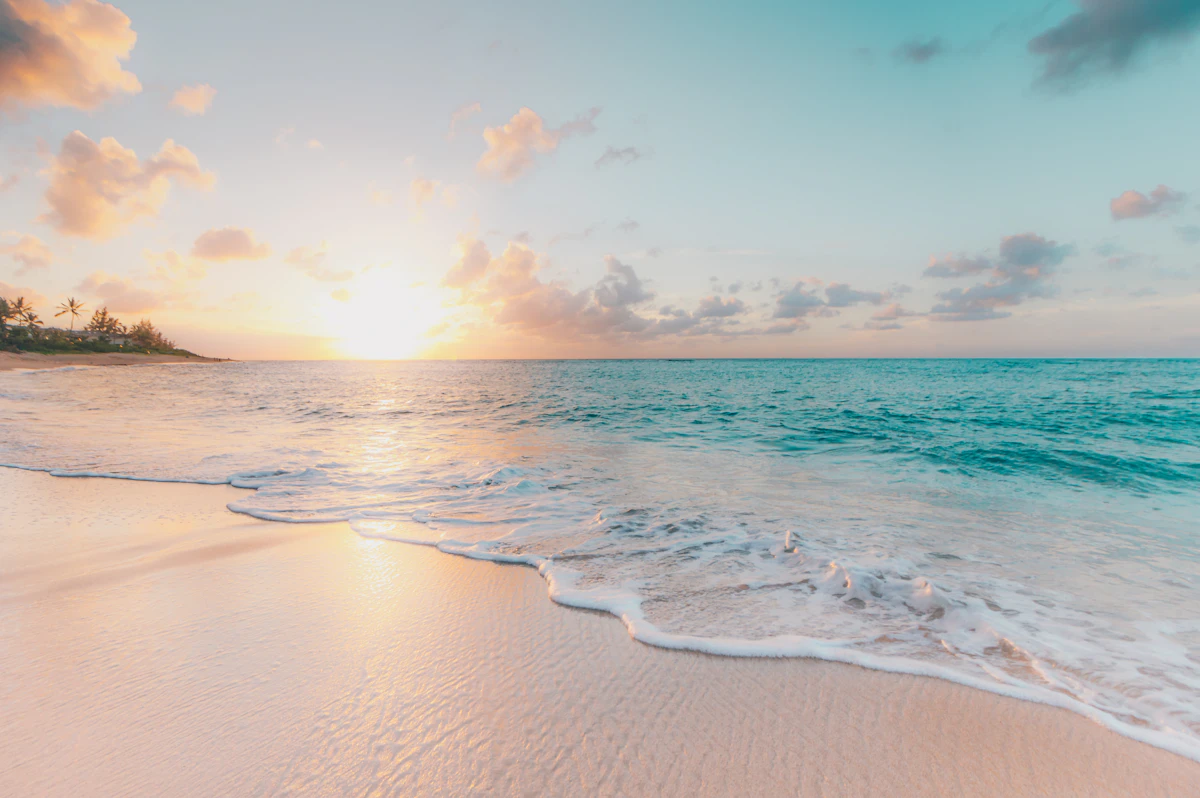
The classic Southern California coast road trip features dramatic views of the Pacific Ocean.
Choosing Your Path: Coastal Route vs. Inland Route
Travelers generally choose between two distinct routes to travel south from Los Angeles. The coastal option prioritizes views and beach culture, while the inland alternative winds through dry valleys and wine country. Below is a realistic comparison of what to expect from each path.
| Feature / Metric | Coastal Route (PCH & I-5) | Inland Route (I-15 / Temecula) |
|---|---|---|
| Primary Scenery | Ocean shorelines, sandy beaches, coastal cliffs | Dry mountain passes, vineyards, oak-covered hills |
| Vibe & Atmosphere | Casual beach culture, surfing communities, high-end oceanfront dining | Rustic ranch style, wine tastings, historic small towns |
| Key Stopovers | Laguna Beach, San Clemente, La Jolla, Oceanside | Temecula Valley Wine Country, Old Town Temecula |
| Typical Traffic | Can be slow around coastal towns, especially on summer weekends | Moderate, though mountain passes can experience commuter bottlenecks |
| Best Match For | Surfers, family beachgoers, first-time tourists | Wine enthusiasts, antique shoppers, hikers |
"There is no single correct way to experience Southern California, but driving beside the Pacific Ocean with the salt air in your hair is a rite of passage that every traveler should experience at least once."
Step-by-Step Coastal Road Trip Stops
This detailed coastal itinerary starts in the iconic beach neighborhoods of western Los Angeles and progresses south through Orange County, ultimately ending in San Diego. It highlights key locations where you can stretch your legs, grab great local food, and enjoy the views.
Departure: Los Angeles (Santa Monica & Venice)
Your journey begins at the edge of the continent. Before heading south, visit the historic Santa Monica Pier. This famous landmark marks the official western end of Route 66 and features a vintage solar-powered Ferris wheel. Directly south of Santa Monica lies Venice Beach, known for its bohemian oceanfront boardwalk, vibrant street performers, and the historic Muscle Beach outdoor gym.
Once you have taken in the energetic city atmosphere, pack your bags and head toward the Pacific Coast Highway. Winding south, you will bypass the industrial zones of El Segundo and steer toward the South Bay beach communities of Manhattan Beach and Hermosa Beach, which offer a great opportunity to grab an early morning coffee and watch beach volleyball players practice on the sand.
Stop 1: Huntington Beach (Surf City USA)
As you enter Orange County, your first major stop is Huntington Beach. The town embraces its deep-rooted surf culture, featuring consistent, year-round waves and a spacious, flat sandy coastline. Stroll along the massive 1,850-foot-long pier to watch local surfers navigate the swells below, or visit the International Surfing Museum to learn about the pioneers of the sport.
If you are traveling with a dog, Huntington Dog Beach offers a designated off-leash sandy area where local pets play in the waves. For lunch, stop by one of the casual eateries near Main Street, or grab an outdoor table to enjoy fish tacos with a view of the water.
Stop 2: Newport Beach & Balboa Island
Just a few miles south, Newport Beach presents a blend of upscale coastal living and classic maritime charm. The centerpiece of the town is Newport Harbor, one of the largest recreational boat harbors on the West Coast. A highlight of this stop is taking the historic, short car-ferry ride from the Balboa Peninsula over to Balboa Island.
The island is highly walkable, with quiet streets lined with coastal cottages. While exploring, stop by a local dessert stand to try a legendary Balboa Bar—a thick slice of vanilla ice cream dipped in chocolate and rolled in customized toppings like nuts or sprinkles. If you enjoy dramatic ocean waves, head over to "The Wedge" at the tip of the peninsula to watch brave bodyboarders tackle the powerful shorebreak.
Stop 3: Laguna Beach (The Artistic Cove)
Laguna Beach is widely considered one of the most beautiful segments of the entire drive. Unlike the flat, wide sandy beaches of northern Orange County, Laguna features rugged, steep sandstone cliffs that drop directly into small, secluded ocean coves. Historically established as an artists' colony in the early 20th century, the town still maintains a high density of art galleries, sculpture gardens, and creative boutiques.
Take a walk through Heisler Park, which winds along the clifftops north of the main beach, offering panoramic views of the turquoise waters and beautifully landscaped pathways. If you visit during low tide, descend the wooden staircases to explore the vibrant marine life inside the tide pools at Crescent Bay or Treasure Island Beach. Remember to look but not touch, as the entire shoreline is a protected marine reserve.
⚠️ Tide Pool Tip:
Always check the local tide charts online before visiting Laguna Beach. Tide pools are best viewed during low tide (ideally negative tides), which exposes the sea anemones, hermit crabs, and starfish safely.
Stop 4: Dana Point
Dana Point marks the southern terminus of the official Pacific Coast Highway, where the road merges onto Interstate 5. The town is built around a modern harbor and is recognized globally as a premier whale-watching destination due to the deep underwater canyons located just offshore.
Depending on the season of your trip, you can book a short boat tour to spot migrating gray whales, blue whales, or massive pods of dolphins. If you prefer to stay on dry land, walk the Headlands Trail, an easy coastal hike that climbs high above the harbor to provide panoramic vistas of the ocean and the historic Doheny State Beach below.
Stop 5: San Clemente (The Spanish Village by the Sea)
San Clemente is the southernmost city in Orange County, famous for its historic Spanish colonial revival architecture. Founded in the 1920s with a mandate that all buildings sport red-tile roofs and white stucco walls, the town retains a distinct European-coastal atmosphere.
The heart of San Clemente is its historic wooden pier, which stretches out into an active surf break. Walk along the coastal beach trail that runs parallel to the train tracks, or explore the local boutiques and casual cafes along Avenida Del Mar. It is a highly relaxing place to stop for a warm afternoon snack or a refreshing iced tea.
Stop 6: Oceanside & The "Top Gun" House
Crossing the county line into San Diego County brings you to Oceanside, a historic military beach town that has transformed into a vibrant cultural hub. The town features one of the longest wooden piers on the West Coast, stretching nearly 2,000 feet into the sea.
Directly across from the pier sits a unique piece of cinematic history: the actual restored Victorian cottage featured in the 1986 film Top Gun. Today, the cottage has been carefully preserved and operates as a dessert shop called "High Pie," where you can buy freshly baked, individual hand pies. The harbor area also offers great waterside walking paths and casual dining options.
Stop 7: Carlsbad
Carlsbad is a family-friendly coastal community known for its wide beaches and clean, walkable downtown core, referred to by locals as Carlsbad Village. The area is filled with outdoor patios, craft breweries, and local coffee roasters.
If you are planning your trip during the spring season (typically early March to early May), a stop at the famous Flower Fields at Carlsbad Ranch is highly recommended. Here, over fifty acres of giant tecolote ranunculus flowers bloom in vibrant rows overlooking the ocean, creating a striking visual display along the hillside.
Stop 8: Encinitas (Bohemian Surf Vibes)
Encinitas is a classic, laid-back surf town that feels deeply connected to the golden era of 1960s California. The town center features vintage neon signs, historic theaters, and an abundance of wellness shops, yoga studios, and vegan-friendly restaurants.
Be sure to stop by the Self-Realization Fellowship Hermitage and Meditation Gardens. Perched high on the cliffs overlooking the famous Swami's surf break, these public gardens feature koi ponds, quiet sitting areas, and spectacular ocean vistas. It is one of the most peaceful and scenic viewpoints on the entire route.
Stop 9: La Jolla (The Jewel of San Diego)
Before arriving in downtown San Diego, you must stop in La Jolla. Known as "The Jewel," this affluent coastal neighborhood is built around a series of dramatic sea cliffs and deep coves. The most famous spot is La Jolla Cove, where a large, resident colony of wild California sea lions and harbor seals lounge on the rocks and swim in the clear waters.
Visitors can view the seals from the paved boardwalk above. If you want a closer look at the geology, visit the Cave Store, which houses a historic, hand-dug tunnel from 1902 that leads down through the cliffs directly into Sunny Jim Sea Cave. Just north of the cove lies the Torrey Pines State Natural Reserve, where you can hike scenic trails amidst rare pine trees and towering sandstone cliffs that descend to the beach.
Arrival: San Diego (The Finish Line)
Your journey culminates in San Diego, a city that perfectly balances a modern skyline with relaxed, outdoor-focused living. To celebrate the completion of your drive, explore Balboa Park, a massive 1,200-acre cultural park featuring stunning Spanish-Renaissance architecture, lush botanical gardens, and world-class museums.
For dinner, head to the historic Gaslamp Quarter to enjoy a lively atmosphere and excellent dining, or cross the San Diego-Coronado Bridge to visit Coronado Beach and the iconic, red-roofed Hotel del Coronado. It is the perfect place to watch a final, classic Southern California sunset over the water.
Suggested Trip Itineraries
Depending on how much time you have available, you can tailor this road trip to fit your schedule. Here are two realistic options designed to help you organize your time efficiently.
🚗 Option A: The 3-Day Weekend Cruise
- Day 1: Los Angeles to Laguna Beach. Start early in Santa Monica, drive through Huntington Beach, and spend the evening dining in Laguna Beach.
- Day 2: Laguna Beach to Encinitas. Explore the tide pools in the morning, visit the San Clemente Pier, and drive south to enjoy the evening in Encinitas.
- Day 3: Encinitas to San Diego. Spend the morning viewing the seals at La Jolla Cove, then head to downtown San Diego to visit Balboa Park and Coronado Island.
🌴 Option B: The 5-Day Leisurely Beach Hopper
- Day 1: Los Angeles to Newport Beach. Explore Venice Beach, drive south, take the Balboa Ferry, and stay overnight near the harbor.
- Day 2: Newport Beach to Dana Point. Spend the day exploring the dramatic coastal coves of Laguna Beach, then head to Dana Point for sunset.
- Day 3: Dana Point to Oceanside. Join a morning whale-watching cruise, visit the Spanish architecture of San Clemente, and stay overnight in Oceanside.
- Day 4: Oceanside to La Jolla. Walk the Carlsbad Village, visit the peaceful gardens in Encinitas, and check into a coastal hotel near La Jolla.
- Day 5: La Jolla to San Diego. Hike the trails at Torrey Pines, watch the sea lions at the cove, and spend the rest of your time exploring central San Diego.
Realistic Road Trip Budgeting
California can be an expensive state to travel through, but with careful planning, you can easily manage your costs. Below is a realistic daily budget breakdown for two travelers sharing accommodation and meals.
| Expense Category | Estimated Daily Cost (USD) | Practical Money-Saving Advice |
|---|---|---|
| Car Rental & Gas | $50 – $90 | Rent a fuel-efficient or hybrid car. Avoid renting directly at major airport terminals to save on surcharges. |
| Accommodation | $140 – $280 | Book hotels located 10 to 15 minutes inland from the immediate coastline to find much cheaper rates. |
| Meals & Drinks | $70 – $150 | Take advantage of local taco stands, food trucks, and farmers' markets rather than sit-down restaurants for every meal. |
| Parking & Fees | $15 – $30 | Look for free residential parking a few blocks away from popular beaches, but always read the street signs. |
| Activities | $20 – $60 | Many of the finest sights (beaches, gardens, tide pools, and sunsets) are entirely free to enjoy. |
⚠️ Essential Travel Warnings & Regulations
- The Southern California Commute: Avoid driving during weekday rush hours (7:00 AM to 10:00 AM and 3:00 PM to 7:00 PM). Commuter traffic on Interstate 5 can add hours to your travel time.
- Respect the Marine Wildlife: When viewing the seals and sea lions at La Jolla Cove, local laws mandate that you keep a respectful distance (at least 50 feet). Approaching or disturbing the animals is illegal.
- Toll Roads: Some routes through Orange County utilize automated toll roads (such as State Route 73). If your rental car does not have a transponder, be sure to pay online within five days to avoid fines.
Conclusion
A Southern California road trip from Los Angeles to San Diego is more than just a simple drive between two major cities. It is a slow-paced exploration of some of the most beautiful coastal landscapes, surf communities, and cultural landmarks in the country. By bypassing the crowded freeways and following the ocean, you gain a true appreciation for the relaxed lifestyle that defines the region.
Whether you have three days or an entire week to spare, the stops along this route will leave you with a deep appreciation for the Pacific Coast. Pack your bags, plan your stops carefully, and hit the road to discover the best of Southern California at your own pace.
Useful Resources & Official Links
To help you stay updated on park hours, weather conditions, and road updates during your trip, consider checking these official resources:
- Visit California – The official state travel guide for local tourism updates and guidelines.
- Caltrans QuickMap – Real-time road conditions and traffic updates from the California Department of Transportation.
- California State Parks – Rules, parking fees, and hours for Crystal Cove, Doheny Beach, and Torrey Pines.



0 Comments